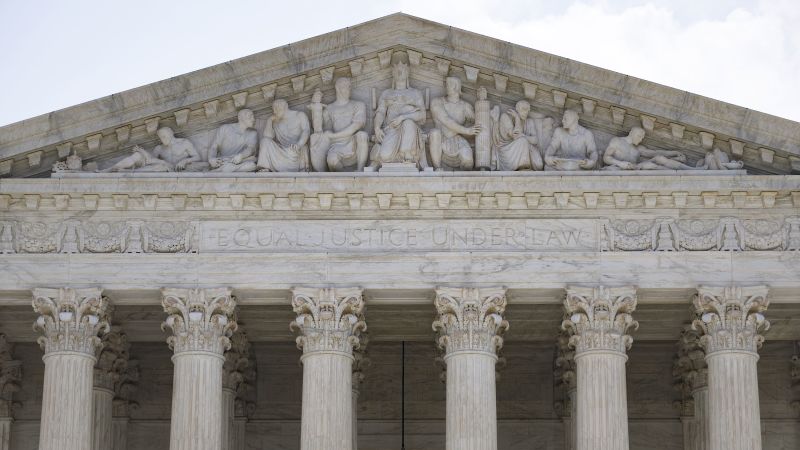
The Supreme Court is set to begin its new nine-month term this Monday, marking a transition into a legal calendar that, at least initially, appears less dominated by the high-stakes executive disputes of the previous year. While the “blockbuster” cases regarding separation of powers that characterized the last term are currently absent from the docket, the influence of President Donald Trump remains a defining force for the high court. As the justices return to the bench, they face a growing list of potential cases that could once again place the presidency at the center of constitutional debate.
What happened
The court opens its term with 28 cases already granted, which represents less than half of the total volume the justices are expected to handle through June. While the early schedule lacks the immediate intensity of last year’s fights over birthright citizenship and emergency tariffs, the workload is far from light.
Key issues already on the agenda include a significant Second Amendment challenge regarding the legality of bans on AR-15 rifles and a major environmental case that could reshape climate change regulation. Additionally, the court will hear a religious liberty dispute concerning whether taxpayer-funded religious preschools can legally exclude children of same-sex couples. Immigration also remains a priority, with upcoming arguments focused on mandatory detention policies and the administration’s efforts to deport migrants to third-party nations.
Context
The relationship between the White House and the Supreme Court has reached a complex state of “détente.” Although President Trump appointed three of the current justices—Neil Gorsuch, Brett Kavanaugh, and Amy Coney Barrett—he has grown increasingly vocal about his dissatisfaction with their independence. In recent interviews, the president expressed regret over these nominations, lamenting that the justices he selected frequently rule against his administration’s interests.
This friction follows a term where the court was a mixed bag for the executive branch. The justices supported the president on several emergency docket items and affirmed his authority to terminate the leaders of independent agencies. However, they also checked executive power by rejecting attempts to undo established birthright citizenship norms and blocking certain trade-related measures. Justice Samuel Alito recently commented on this environment, noting that while harsh presidential criticism of the court is now a bipartisan reality, the personal nature of recent attacks represents a significant shift in political discourse.
Why it matters
The upcoming term will serve as a critical test for the independence of the 6-3 conservative majority. While the initial docket is relatively quiet regarding direct challenges to presidential power, a wave of new litigation is expected to arrive shortly. The justices will soon decide whether to intervene in high-profile matters such as the president’s defamation suit involving E. Jean Carroll, the legality of a transgender military service ban, and transparency requirements for the newly formed Department of Government Efficiency.
As these cases move forward, the court must navigate a landscape where its decisions are under intense scrutiny from both the public and the president himself. The rulings issued over the next nine months will do more than just settle individual legal disputes; they will define the limits of executive authority and the judiciary’s role in a deeply polarized political era. For now, the court may have a brief reprieve from the spotlight, but the most consequential highlights of the term are likely still on the horizon.