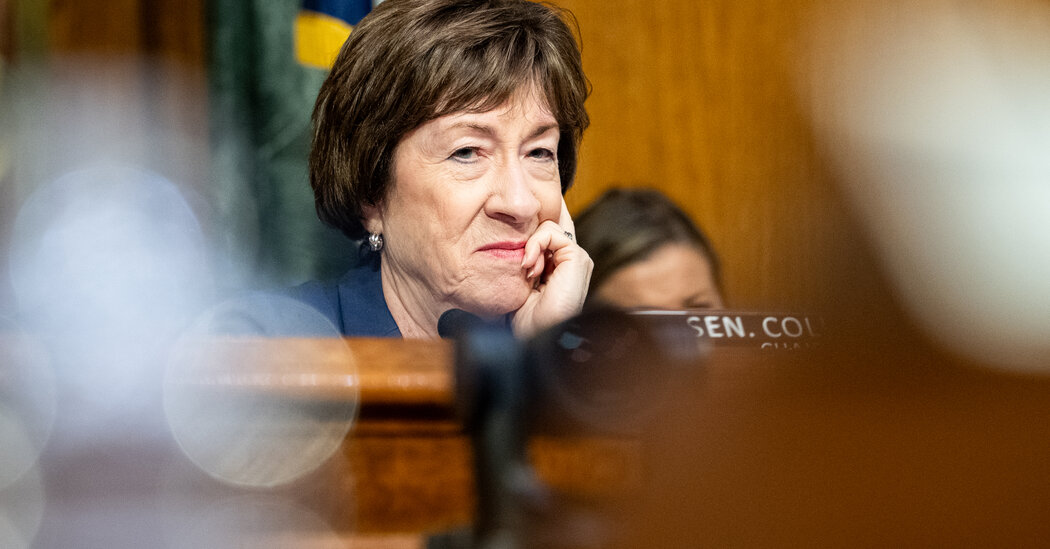
Senator Susan Collins of Maine has cast thousands of votes during her long tenure in Washington, but few carry as much weight today as her 2018 decision to confirm Justice Brett Kavanaugh. As she seeks a sixth term, that single choice has transformed from a controversial legislative moment into a primary vulnerability in her campaign. For a lawmaker who has long cultivated a reputation as a moderate bridge-builder, the fallout from the Supreme Court’s decision to overturn Roe v. Wade has created a political storm that shows no signs of dissipating.
What happened
In October 2018, Collins provided a pivotal vote in the narrow confirmation of Brett Kavanaugh to the U.S. Supreme Court. At the time, she delivered a lengthy floor speech explaining her rationale, specifically addressing concerns regarding reproductive rights. She famously stated her belief that Kavanaugh viewed Roe v. Wade as settled precedent and would not seek to dismantle it.
However, following the 2022 Dobbs v. Jackson decision, which effectively ended federal protections for abortion access, those assurances have been heavily scrutinized. Critics and political opponents have seized on this discrepancy, framing her support for Kavanaugh as the deciding factor that allowed the court to shift radically to the right. Consequently, her voting record on judicial nominees has become the centerpiece of the opposition’s efforts to unseat her.
Context
Collins occupies an increasingly rare space in the American political landscape as a Republican who identifies as a supporter of abortion rights. For decades, this stance allowed her to appeal to a broad coalition of Maine voters, including independents and some centrist Democrats. This moderate brand was historically her greatest political strength, yet the Kavanaugh vote fundamentally altered the public’s perception of her independence.
During the 2018 confirmation hearings, Collins faced immense national pressure. Her ultimate decision to back the conservative jurist was viewed by many of her former supporters as a departure from her stated values. This tension is further complicated by the regional politics of Maine, a state where reproductive rights generally enjoy robust public support. In the current electoral cycle, her opponents are using this history to argue that she can no longer be trusted to protect the interests of her pro-choice constituents.
Why it matters
The controversy surrounding Senator Collins highlights the shrinking middle ground in U.S. politics and the increasing nationalization of local elections. It underscores how judicial appointments have become the ultimate litmus test for voters, often outweighing years of local constituent service or moderate positioning on other issues.
For Collins, the challenge is twofold: she must maintain her standing with the Republican base while attempting to win back the moderate and independent voters who feel she paved the way for the loss of reproductive autonomy. This campaign serves as a high-profile case study on whether a long-standing incumbent can survive in an era of intense polarization, where a single vote on a judicial nominee can redefine a decades-long career. The outcome in Maine will likely signal how much weight the electorate places on the Supreme Court’s trajectory when choosing their representatives in the Senate.