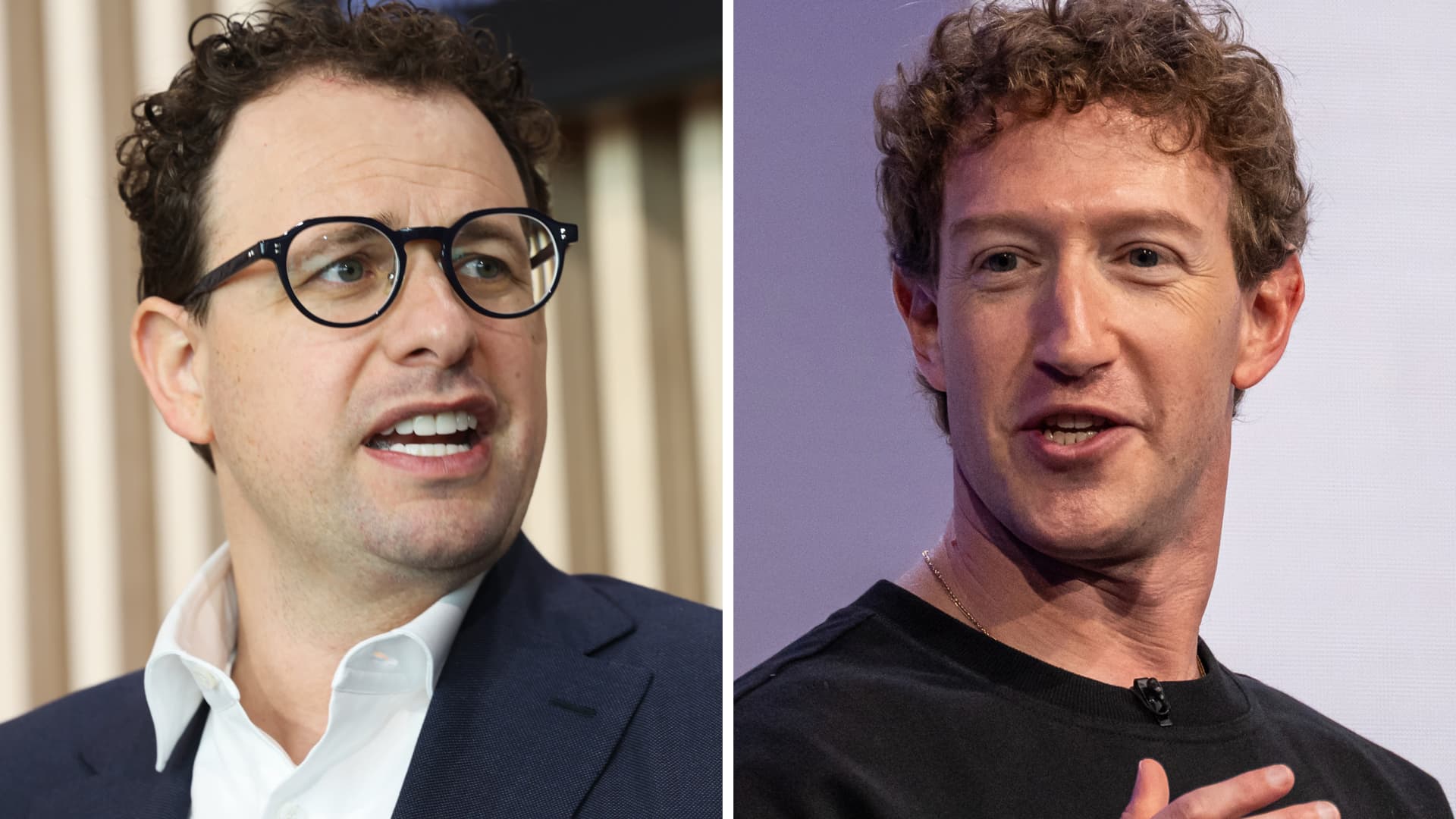
A high-profile group of Silicon Valley’s most influential leaders is descending on Washington, D.C., this week for a series of high-level discussions with the Trump administration. The meetings, which include a Tuesday luncheon with President Donald Trump and House Speaker Mike Johnson, represent a pivotal moment for the future of domestic technology policy, particularly regarding the rapid advancement and regulation of artificial intelligence.
What happened
The scheduled gathering features a “who’s who” of the tech industry. Confirmed attendees include Meta CEO Mark Zuckerberg, Alphabet’s Sundar Pichai, and Nvidia’s Jensen Huang. The artificial intelligence sector is also heavily represented, with Anthropic CEO Dario Amodei and OpenAI President Greg Brockman set to participate. According to sources familiar with the matter, the luncheon is part of a broader, day-long event hosted by the White House to unveil a new federal website dedicated to public information and resources.
Beyond the website launch, the schedule includes a series of panel discussions focused on critical sectors such as AI, space exploration, and energy. While the Tuesday event is a large-scale gathering, some executives have already begun personal outreach; Dario Amodei reportedly held a private, one-on-one dinner with President Trump on Sunday evening to discuss the current landscape of the industry.
Context
These meetings come at a time of heightened tension between the tech sector and the federal government. Only days ago, several of these same leaders—including Apple’s Tim Cook and Tesla’s Elon Musk—attended a state dinner for Chinese President Xi Jinping. The current outreach to the White House appears to be an effort to bridge the gap between Silicon Valley’s priorities and the administration’s skepticism toward certain tech-focused narratives.
The industry itself is currently divided over how to handle “frontier models,” or the most advanced versions of AI. Amodei, along with OpenAI’s Sam Altman and Elon Musk, has expressed concerns about the speed of development, suggesting that the industry should “pace the frontier” to ensure safety. This caution was amplified recently by a former Anthropic researcher who publicly accused AI labs of taking unnecessary risks with human safety. In contrast, President Trump has historically been dismissive of these alarms, labeling concerns over AI safety as a “hoax” or a “scam” in recent public statements.
Why it matters
The outcome of these discussions could dictate the trajectory of U.S. innovation and regulation for years to come. For companies like Anthropic and OpenAI, the meetings provide a chance to soften the administration’s stance on safety regulations. If tech leaders can convince the White House that AI safety is a matter of national security rather than a bureaucratic hurdle, they may find a more receptive audience for future policy proposals.
Furthermore, the involvement of energy and space panels suggests that the administration views AI not as an isolated software issue, but as a foundational component of the nation’s infrastructure. By bringing together the CEOs of Nvidia and Alphabet alongside political leaders, the event underscores the necessity of public-private partnerships in maintaining a competitive edge over global rivals. As the debate over whether to accelerate or regulate continues, these face-to-face meetings will likely determine if the U.S. pursues a path of unrestrained growth or one defined by strategic safeguards.