Recent investigations into internal government records have cast significant doubt on the official narrative used to justify the massive reduction of Bears Ears National Monument in Utah. While the Trump administration publicly argued that the monument’s original designation prevented the public from enjoying the land, internal documents indicate that officials were well aware that outdoor recreation remained vibrant and accessible within the protected boundaries. The disparity between the public rhetoric and the private data suggests that the push to shrink the monument was based on premises that did not align with the reality on the ground.
What happened
Internal documents reviewed by reporters indicate a sharp contrast between President Trump’s public statements and the information held by land management agencies. When the administration moved to cut the size of the monument by approximately 1.1 million acres, the President claimed the move was necessary because the protected status made activities like hunting and fishing nearly unfeasible for the average citizen. He framed the designation as a barrier to traditional American pastimes and a form of federal overreach that locked people out of their own land.
However, the reviewed memos and reports show that Department of the Interior staff had documented the opposite. These records acknowledged that recreational activities were not only permitted but were flourishing under the monument’s original footprint. The documents suggested that the existing protections did not significantly impede public access for sportsmen or tourists. Despite this internal consensus, the administration continued to use “restoring access” as the primary justification for its executive order to downsize the site.
Context
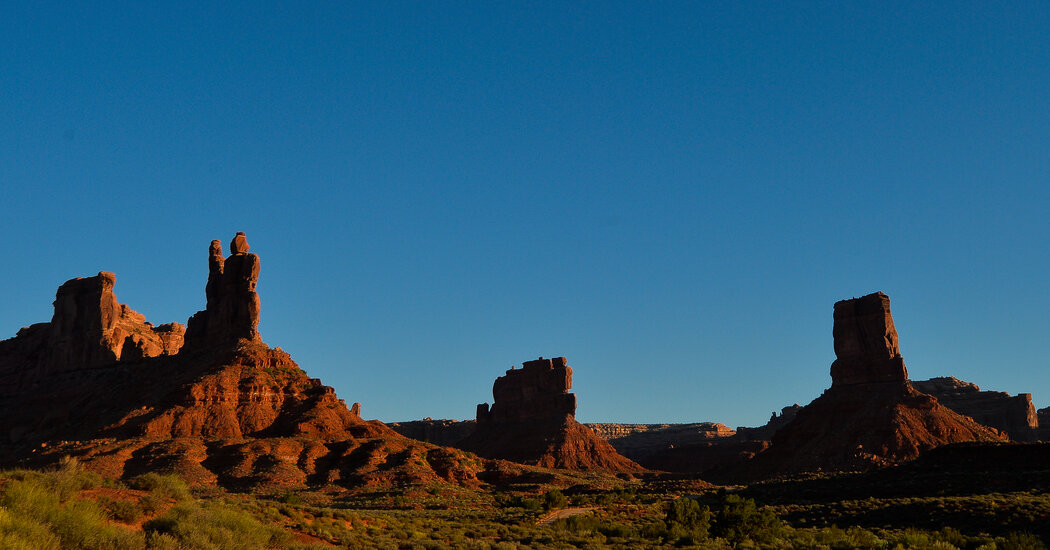
Bears Ears National Monument was established in late 2016 by President Barack Obama, covering roughly 1.35 million acres of land in San Juan County, Utah. The area is renowned for its stunning red-rock canyons, significant archaeological sites, and deep cultural importance to several Native American tribes, including the Navajo Nation and the Ute Mountain Ute Tribe. The designation was intended to shield the landscape from looting and industrial development.
In 2017, following a review of several national monuments, the Trump administration announced it would reduce Bears Ears by about 85%. This was part of a broader effort to prioritize state and local control over federal land management. While the administration focused its public messaging on recreation and freedom of movement, critics and environmental groups argued the true motivation was to open the region to uranium mining and oil and gas exploration. This move sparked immediate legal challenges from conservationists and tribal coalitions, who argued that the Antiquities Act of 1906 gives a president the power to create monuments, but not the authority to dismantle them.
Why it matters
The revelation of these documents is significant because it highlights a potential lack of transparency in how major environmental policies are formed. If the official justification for a policy change is contradicted by the government’s own internal findings, it raises serious questions about the integrity of the decision-making process. This discrepancy provides further ammunition for legal teams currently fighting to restore the monument’s original boundaries, as it suggests the reduction may have been “arbitrary and capricious”—a legal standard used to challenge federal actions.
Beyond the legal implications, the controversy underscores a fundamental tension in the American West regarding the best use of public lands. The debate pits the preservation of cultural heritage and ecological diversity against the interests of resource extraction and local economic development. As this case moves through the court system, it will likely set a major precedent for the future of the Antiquities Act and determine whether a sitting president can unilaterally strip protections from millions of acres of public territory. For now, the documents suggest that the fight over Bears Ears is as much about the accuracy of the narrative as it is about the land itself.