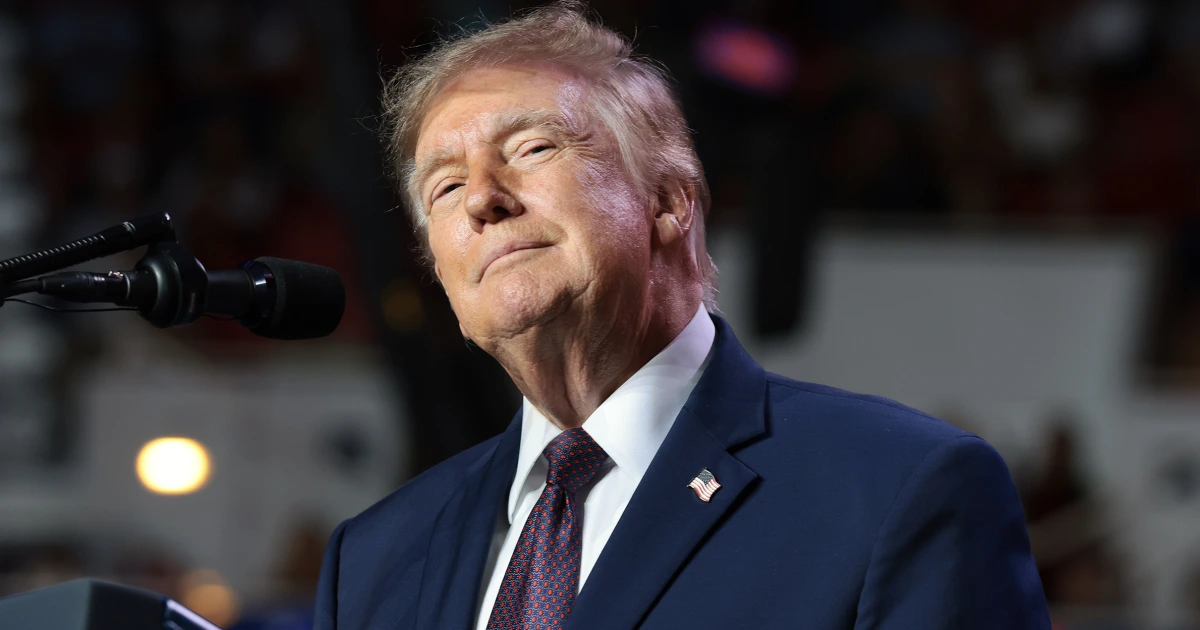
In a striking escalation of legislative pressure, Donald Trump recently used his social media platform to target Senator Tom Cotton over a bill aimed at ending the biannual tradition of changing the clocks. By sharing what appeared to be the Arkansas Republican’s personal cellphone number, Trump signaled a high-stakes effort to force the passage of the Sunshine Protection Act. The move highlights a growing rift between the former president and one of his frequent allies over a policy that has divided experts and lawmakers for decades.
What happened
The confrontation began when Trump took to Truth Social to advocate for the “Sunshine Protection Act,” a measure that would make daylight saving time permanent across the United States. Trump, who nicknamed the legislation the “No More Changing of Clocks Act,” argued that the current system of shifting time twice a year is detrimental to the nation’s economy, increases stress, and negatively impacts everything from crime rates to professional sports.
On Saturday, Trump’s rhetoric shifted from general advocacy to a direct attack on Senator Cotton. Labeling Cotton a friend who is nonetheless “holding up” a vital piece of legislation, Trump urged the people of Arkansas to contact the senator directly. In the post, he included a phone number identified as Cotton’s cellphone, encouraging constituents to demand the senator allow the bill to move forward. Trump further suggested that Cotton was failing his home state by refusing to grant residents an extra hour of evening daylight and the convenience of a fixed schedule.
Context
The Sunshine Protection Act has seen a resurgence in momentum recently, having passed the House of Representatives with bipartisan support in July. However, the bill currently faces a roadblock in the Senate. This is a reversal of the legislative environment in 2022, when the Senate was the chamber that originally moved the proposal forward before it stalled in the House.
Senator Cotton has remained a steadfast opponent of permanent daylight saving time. Responding via social media, Cotton emphasized that while the practice of changing clocks is unpopular, the alternative—permanent daylight saving—has a history of failure. He pointed specifically to a brief experiment in the 1970s when Congress enacted a similar law, only to repeal it months later due to public outcry.
Cotton’s primary concern involves the “absurdly late sunrises” that occur in the winter under a permanent daylight saving schedule. He argued that such a change would force children to commute to school in total darkness and negatively impact the general well-being of Americans by depriving them of essential morning sunlight.
Why it matters
The public friction between Trump and Cotton underscores a larger debate about how the United States manages its time. While there is broad public consensus that “falling back” and “springing forward” is a nuisance, there is significant disagreement over which time standard should be permanent. Health experts and sleep scientists often argue for permanent standard time to better align with human biological rhythms, while retail and outdoor recreation industries generally favor permanent daylight saving time for the extra evening light.
Beyond the policy debate, Trump’s decision to share a sitting senator’s contact information represents a rare and aggressive tactic within the party. It demonstrates a willingness to use personal leverage and direct constituent pressure to bypass the traditional Senate “hold” process, where a single senator can effectively delay legislation. As the bill remains in limbo, the clash between Trump’s desire for a “bipartisan win” and Cotton’s historical concerns over public safety and morning light sets the stage for a contentious floor battle in the Senate.