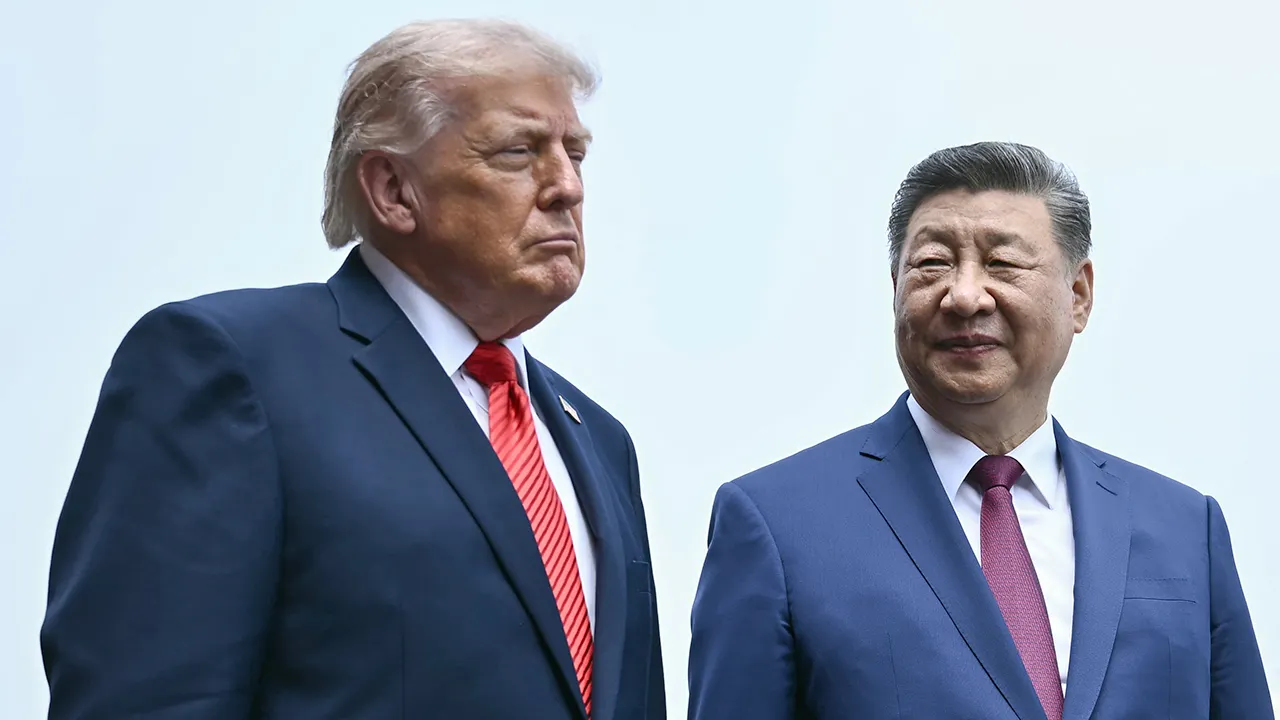
President Donald Trump is currently considering a landmark proposal to establish a direct communication “hotline” between the United States and China specifically dedicated to artificial intelligence. This potential agreement represents a significant step in managing the high-stakes technological rivalry between the world’s two largest economies, aiming to provide a mechanism for immediate dialogue during AI-related crises.
What happened
U.S. Treasury Secretary Scott Bessent is slated to present the framework of the agreement to President Trump this week. According to sources familiar with the matter, the President will decide whether to approve the deal ahead of a scheduled meeting with Chinese President Xi Jinping.
The proposed agreement would create a dedicated line of communication, similar to the “red phone” systems utilized by military leaders to prevent accidental escalations. This AI hotline would be used to address urgent issues such as large-scale hacking incidents, national security threats, or the emergence of “rogue” AI systems that could behave in unpredictable or dangerous ways. By establishing this direct link, both Washington and Beijing hope to mitigate the risks of misunderstanding or technical failures in an era where AI-driven tools are increasingly integrated into critical infrastructure and defense systems.
Context
The decision arrives at a time of intense competition. President Trump has frequently characterized the race for AI supremacy as a pivotal moment in global history, comparing it to the Industrial Revolution or the birth of the internet. In recent public statements, the President has emphasized that AI could eventually account for as much as 25% of the U.S. Gross Domestic Product (GDP), underscoring his administration’s commitment to maintaining a lead over China and other global competitors.
However, this rapid development brings significant logistical and regulatory challenges. Republican lawmakers, including Representative James Comer, have pointed to the immense strain AI development places on the domestic energy grid. Furthermore, tech firms continue to navigate a complex landscape of regulatory hurdles as they attempt to innovate at a pace that keeps the U.S. ahead of its rivals. Despite the economic and military friction between the two nations, the proposed hotline suggests a mutual recognition that certain AI risks transcend national interests and require a baseline of diplomatic coordination.
Why it matters
The establishment of an AI-specific hotline would signal a shift in how the U.S. and China manage their technological competition. While the two nations remain fierce rivals, the potential for AI to cause systemic instability—whether through autonomous cyberattacks or accidental interference with national security protocols—necessitates a fail-safe communication channel.
If approved, the agreement would provide a much-needed safety net for a technology that is evolving faster than traditional diplomacy often allows. It acknowledges that while the race to “win” AI is paramount for economic and military dominance, the volatility of the technology requires a level of transparency to prevent a localized technical failure from escalating into a broader international conflict. As President Trump prepares for his high-stakes meeting with President Xi, his decision on this hotline will set the tone for the next chapter of global tech governance.