In a significant move aimed at reshaping the landscape of public healthcare spending, the Trump administration has announced that every U.S. state has signed on to a new federal drug pricing initiative. Speaking from the Oval Office on Friday, President Trump detailed the nationwide adoption of the Medicaid “GENEROUS” model, a program the administration claims will fundamentally alter how prescription medications are purchased for low-income Americans. The announcement marks a rare moment of total state-level consensus on a federal healthcare policy, though the specific financial outcomes of the plan remain a subject of debate among industry analysts.
What happened
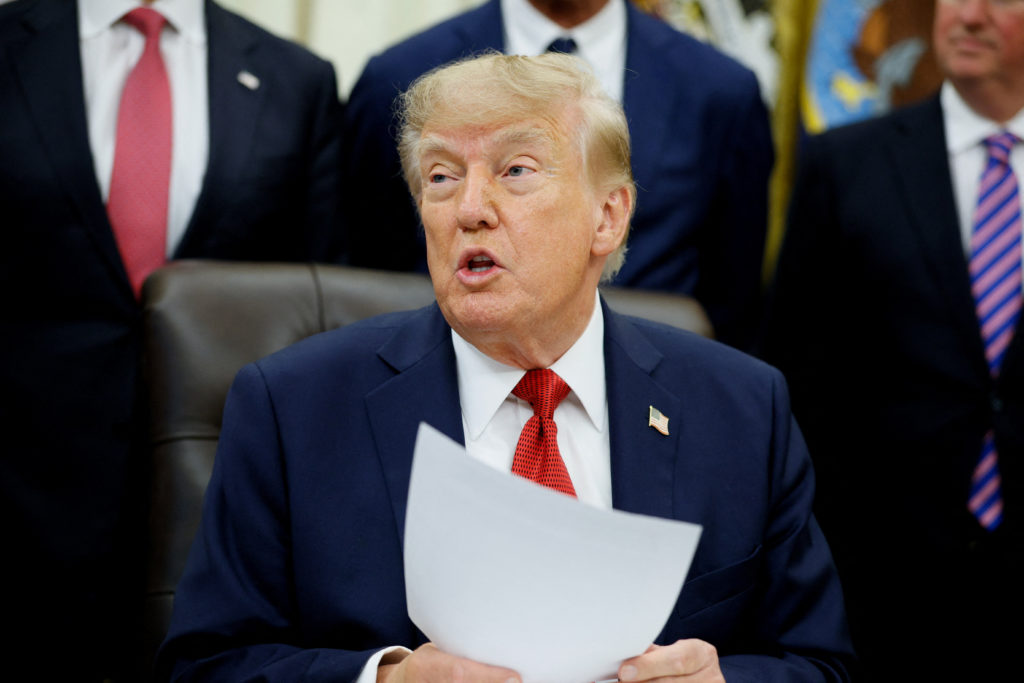
During a press conference attended by high-ranking health officials, President Trump confirmed that all 50 states have officially entered into the GENEROUS model. Flanked by Health and Human Services (HHS) Secretary Robert F. Kennedy Jr. and Centers for Medicare & Medicaid Services (CMS) Administrator Mehmet Oz, the President characterized the move as a historic achievement in the fight against rising medical costs.
The administration’s presentation focused heavily on the projected fiscal impact of the program. Trump told reporters that the initiative is expected to save the federal government and state taxpayers billions of dollars by streamlining the negotiation process for prescription drugs. Beyond the economic claims, the President also highlighted the political significance of the announcement, suggesting that the success of this healthcare overhaul would be a decisive factor for voters in the upcoming midterm elections.
Context
The GENEROUS model—an acronym for a broader drug-pricing framework—is part of a larger effort by the current administration to tackle the pharmaceutical industry’s pricing power. Historically, Medicaid drug pricing has been a complex web of federal rebates and individual state negotiations. By creating a unified model that includes every state, the administration intends to leverage the collective purchasing power of the Medicaid system to secure deeper discounts from manufacturers.
The involvement of Secretary Kennedy and Administrator Oz signals a shift in the leadership’s approach to public health and fiscal management. Both figures have advocated for disruptive changes to the traditional healthcare bureaucracy. However, the rollout has been met with a degree of skepticism from healthcare economists. While the administration touts massive savings, the specific mechanisms of the deals and the data supporting the multi-billion-dollar savings estimates have not been made available for public or independent review. Experts in the field note that without transparency regarding the underlying contracts, it is difficult to determine whether the savings will be as substantial as promised.
Why it matters
The implementation of the GENEROUS model across all 50 states is a major test of the administration’s ability to coordinate large-scale policy shifts between federal and state governments. If the program delivers on its promise of reducing the financial burden on Medicaid, it could provide a blueprint for future reforms in other sectors of public healthcare, such as Medicare. Lowering the cost of prescription drugs remains one of the most pressing issues for the American electorate, making the success or failure of this model a high-stakes endeavor for the White House.
Furthermore, the lack of transparency regarding the deal’s contents raises important questions about accountability in healthcare spending. While the administration celebrates a political and administrative victory, the long-term impact on patient access to medication and the pharmaceutical market remains to be seen. As the midterm elections approach, the GENEROUS model will likely serve as a central pillar of the administration’s domestic agenda, leaving both supporters and critics watching closely for any tangible evidence of the promised savings.