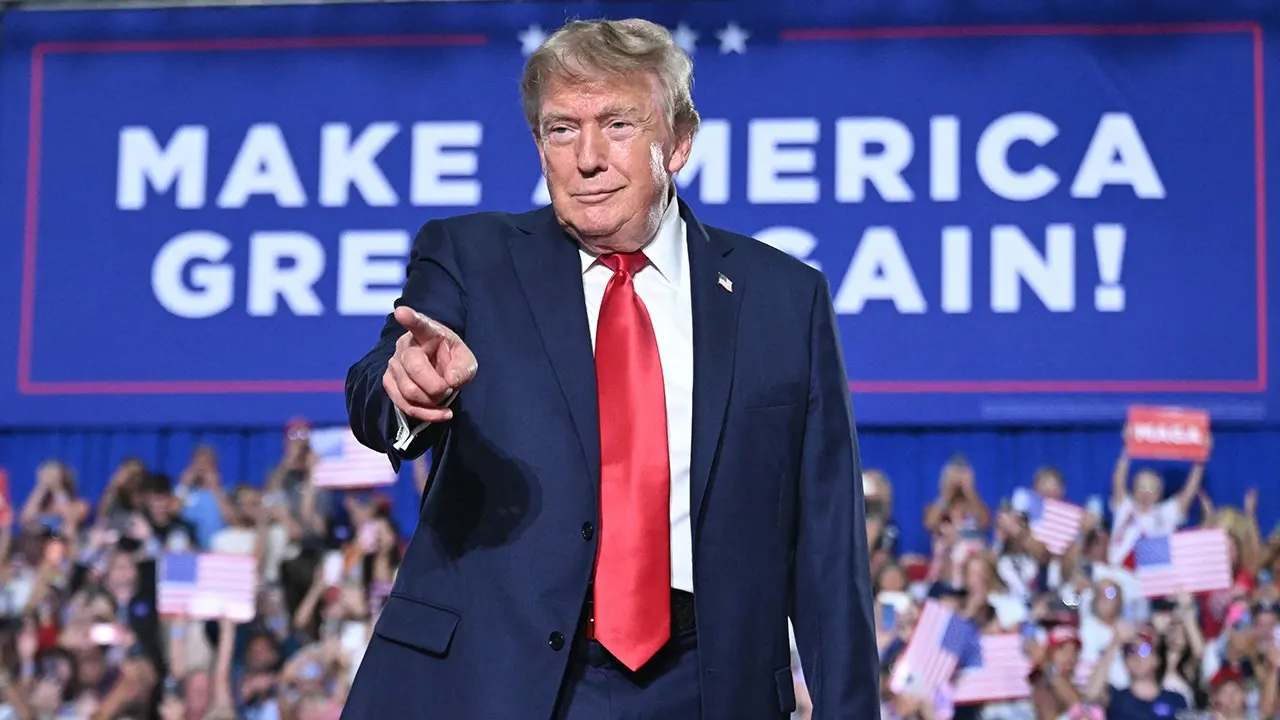
As the 2026 midterm elections approach, President Donald Trump has embarked on an extensive 32-state rally tour that includes several stops in traditionally Republican strongholds. While some political analysts view this focus on “deep red” territory as a sign of a struggling campaign, veteran GOP strategists argue that the move is a sophisticated, data-driven effort to maximize voter turnout where it is needed most.
What happened
President Trump recently intensified his campaign efforts with a series of high-profile events in conservative bastions. This week, the president held a rally in Denton, Texas, followed by a visit to Oklahoma—a state that hasn’t supported a Democratic presidential candidate in six decades. The tour continues with an upcoming appearance in Mobile, Alabama.
The decision to spend valuable campaign time in states that are already expected to vote Republican has drawn skepticism from media pundits. Critics suggest that the president is “playing defense” by shoring up support in safe territory rather than expanding the map into swing states. However, Luke Ball, a communications consultant and former strategist for Trump’s 2024 campaign, recently pushed back against these claims. Ball characterized the mainstream analysis as “lazy,” suggesting that the strategy is far more intentional than simply seeking out friendly crowds.
Context
The GOP is currently navigating a difficult political environment. Recent polling suggests that Republicans are facing significant challenges as voters express frustration over the state of the economy and the ongoing conflict in Iran. These “midterm headwinds” have led some to believe the party is in a defensive crouch.
In this environment, the Republican National Committee and the MAGA Inc. Super PAC are relying on internal data to guide the president’s travel schedule. According to Ball, this data—managed by figures like White House Deputy Chief of Staff James Blair—shows that a specific segment of the electorate is only motivated to vote when Donald Trump is personally involved. This “Trump-only” demographic is vital for maintaining GOP control of Congress, particularly in competitive House districts that exist even within overwhelmingly red states.
Why it matters
The strategy hinges on the idea that the “Trump effect” is the most potent tool for mobilization within the Republican arsenal. By appearing in places like Texas and Oklahoma, the president aims to drive up turnout in neighboring or overlapping swing districts where the margin of victory may be razor-thin.
While Ball acknowledges that this approach carries a degree of political risk, he maintains that it is a calculated necessity. The goal is to bridge the gap for congressional candidates who may not command the same level of loyalty as the president himself. By framing the midterms as a personal referendum and placing himself “on the top of the ballot” via these rallies, Trump is attempting to transfer his base’s enthusiasm to the broader GOP ticket.
Ultimately, the success of this strategy will be measured by whether these deep-red state rallies can generate enough momentum to offset the current national dissatisfaction with the economy and foreign policy. If the “best showman in politics” can successfully turn out his core supporters, it may provide the narrow margin Republicans need to survive a brutal election cycle.