A rare public rift has emerged between the United States and the United Kingdom over the management of a potential security threat at a critical British airbase. President Trump and Secretary of State Marco Rubio have both expressed sharp disapproval regarding the decision by British authorities to release five suspects on bail who were initially detained in connection with a possible terror plot. The incident has raised questions about international intelligence sharing and the specific nature of the threat facing military installations during a period of heightened global tension.
What happened
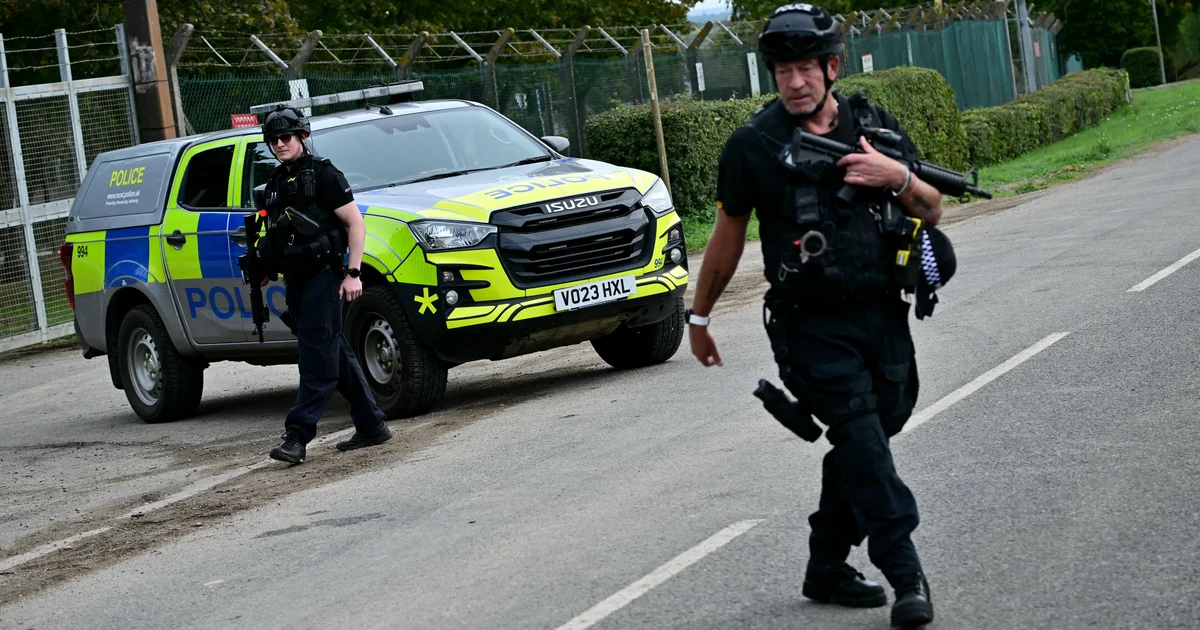
The security incident began on a Sunday morning when British counterterrorism police arrested five men, all in their mid-20s, in a village located near RAF Fairford. The base is a strategic site used by the U.S. Air Force, notably as a launching point for bomber missions. The men were taken into custody on suspicion of preparing for a terrorist act.
However, within 24 hours, all five suspects were released on bail. British officials defended the move, stating that while the men remain under investigation and are subject to strict movement and contact restrictions, the inquiry is still exploring multiple possibilities. To date, no charges have been filed, and authorities have not reported the discovery of weapons or explosive materials. This has led to conflicting theories, with some local security sources suggesting the men may have actually been targeting the base’s fuel supplies for theft rather than planning a kinetic attack.
Context
The timing of the arrests is particularly sensitive, occurring seven months into an active military conflict involving the U.S. and Iran. Given that RAF Fairford has been utilized for operations related to this conflict, the site is considered a high-priority target for retaliatory actions.
In Washington, the response to the suspects’ release was immediate and critical. Speaking from the Oval Office, President Trump expressed his astonishment at the U.K.’s handling of the situation, claiming that U.S. and British intelligence had collaborated closely on the case. He suggested that the U.S. had significant information regarding the suspects and hinted at a possible connection to Iran, though he declined to provide specific evidence.
Secretary of State Marco Rubio echoed these concerns, characterizing the incident as a “very serious” matter. Rubio went a step further than British investigators by alleging that the plot “clearly involved” a foreign actor. Despite the certainty of his tone, he provided no further details to support the claim of foreign state sponsorship, leaving a gap between U.S. rhetoric and the official British stance.
Why it matters
This disagreement highlights a significant divergence in how the two allies approach counterterrorism and due process. While the U.S. administration appears to favor immediate and prolonged detention for high-stakes suspects, British legal experts note that releasing individuals on bail can be a deliberate investigative tactic. This allows law enforcement to monitor a suspect’s movements and communications in real-time, potentially leading them to larger networks or hidden evidence.
Furthermore, the incident underscores the complications that domestic crime can bring to national security. With the war in Iran driving fuel prices to record highs, organized fuel theft has become a major issue in the U.K. If the suspects are indeed “diesel thieves” rather than terrorists, it suggests a scenario where economic desperation and high-security military operations intersect, creating “false positives” that can strain diplomatic relations. Regardless of the final outcome of the investigation, the public friction between the Trump administration and U.K. officials suggests a growing impatience in Washington regarding British security protocols during wartime.