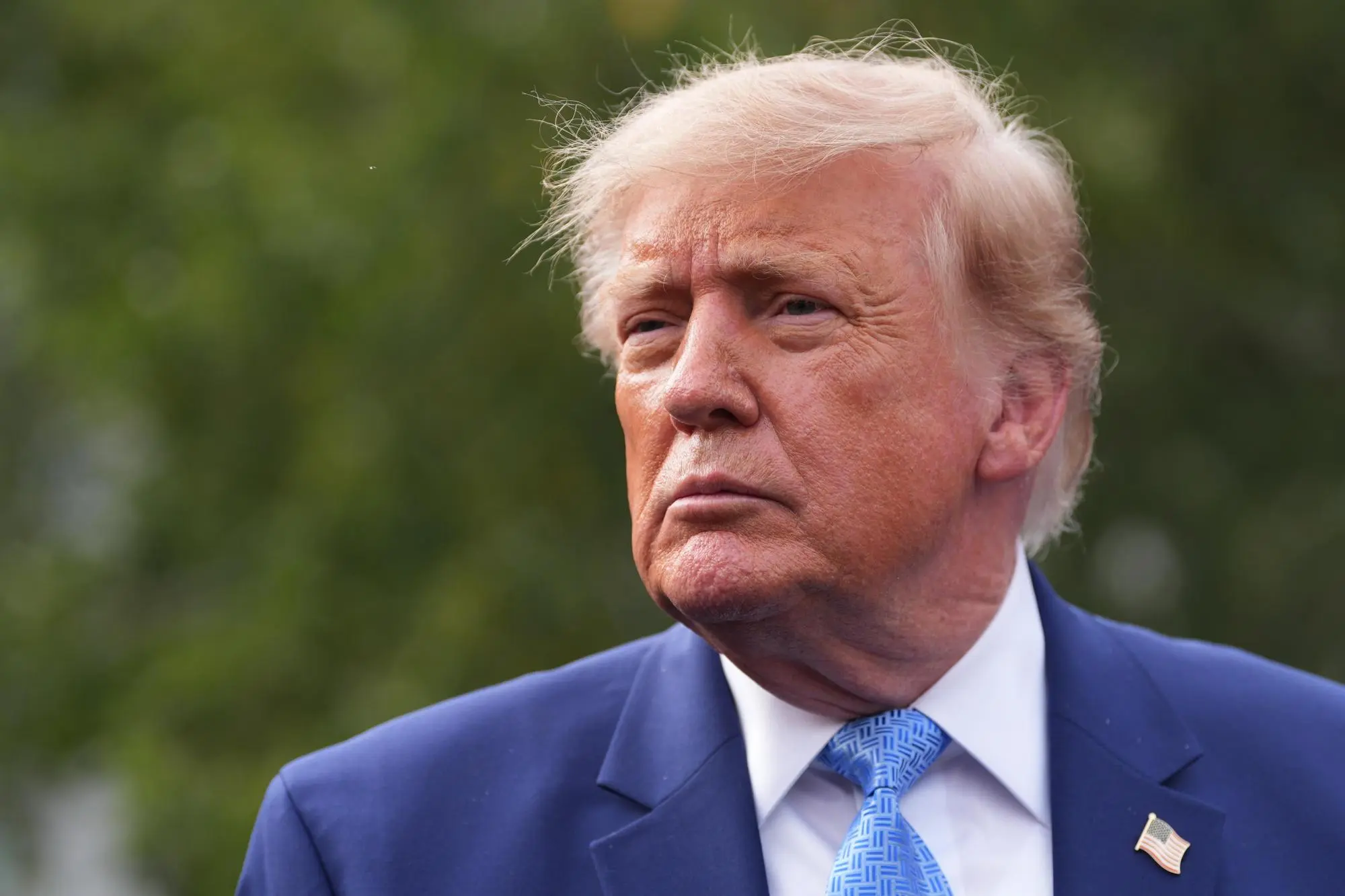
As Israel approaches its first national election since the devastating October 2023 attacks, a notable silence has emerged from one of Benjamin Netanyahu’s most prominent former international allies. Donald Trump has declined to offer a formal endorsement for the Prime Minister’s reelection bid, a move that signals a potential cooling of a once-unshakeable political partnership. In a recent wide-ranging interview, Trump avoided direct support, marking a significant departure from his history of wading into Israeli electoral politics.
What happened
During a 75-minute conversation with Time magazine, Trump was asked several times if he believed Israeli voters should return Netanyahu to office on October 27. Rather than providing his typical enthusiastic backing, Trump sidestepped the question entirely. He claimed he was no longer “involved in politics,” a statement that stands in stark contrast to his aggressive campaigning for U.S. midterm candidates and his recent habit of endorsing various right-wing leaders across the globe.
While Trump did acknowledge Netanyahu’s political durability—likening the Prime Minister’s resilience to his own—he notably spoke well of Netanyahu’s centrist opponent, Gadi Eisenkot. Trump remarked that he had not heard “bad things” about Eisenkot, further distancing himself from a strictly pro-Netanyahu stance. This neutrality is a sharp pivot from earlier this year, when Trump indicated an endorsement was “most likely” pending the final lineup of opponents.
Context
The relationship between Trump and Netanyahu was once defined by mutual public admiration and strategic alignment. During the 2019 Israeli campaign, Netanyahu utilized Trump’s image on massive billboards to project a status of being in “another league,” a gesture Trump frequently promoted on his own social media channels. At the time, their alliance was seen as a cornerstone of both leaders’ foreign policy identities.
However, the current political landscape in Israel is significantly more fractured than in years past. Netanyahu is currently navigating a long-running corruption trial and massive domestic unrest stemming from his controversial judicial restructuring plans. Furthermore, his reputation has been heavily impacted by the intelligence and security failures associated with the Hamas attack on October 7, 2023. While Trump previously advocated for Netanyahu’s legal exoneration in private correspondence, his current hesitation suggests a more calculated approach to the Prime Minister’s mounting domestic challenges.
Why it matters
The absence of a clear endorsement from Trump represents a tactical setback for Netanyahu’s Likud party. For years, Netanyahu has leveraged his perceived influence in Washington as a core pillar of his campaign, arguing that he alone possesses the international stature necessary to secure Israel’s interests. Without Trump’s public blessing, the narrative that Netanyahu is the only leader capable of maintaining a special relationship with U.S. conservative leadership is weakened.
Furthermore, Trump’s willingness to speak neutrally about alternatives like Eisenkot suggests that he may be preparing for a future Israeli administration that does not include Netanyahu. This shift reflects a broader transformation in the geopolitical dynamic, where past personal loyalties are being reevaluated in the wake of the ongoing conflict in Gaza and shifting domestic priorities in both the United States and Israel. For Israeli voters, Trump’s silence may be as loud as any previous endorsement.