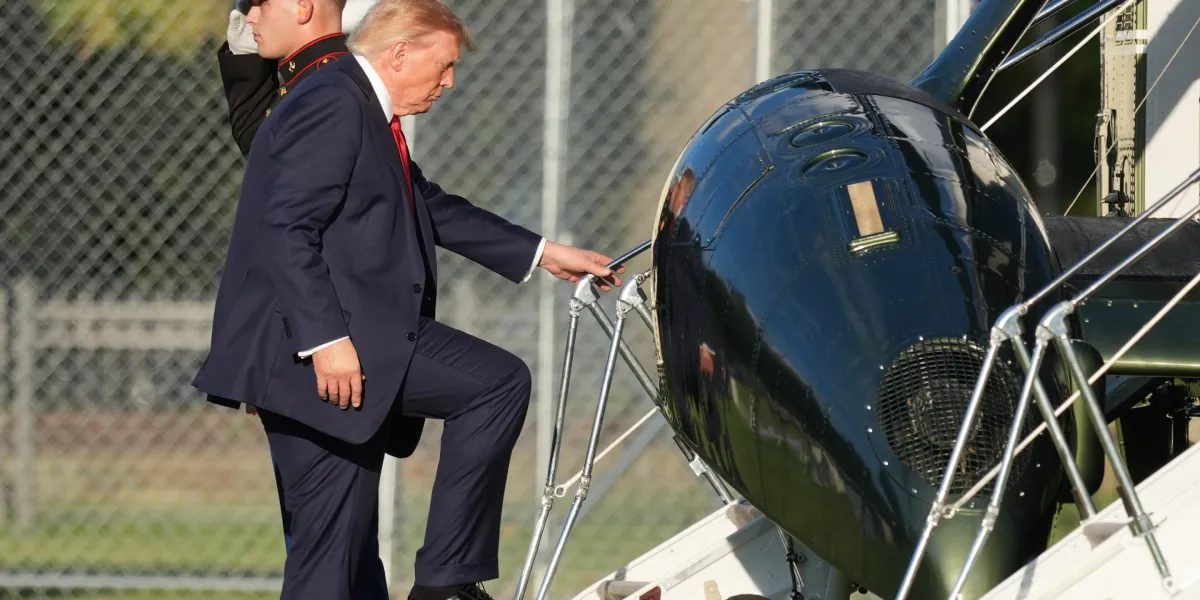
In a significant escalation of economic pressure against Moscow, President Donald Trump has signed into law a comprehensive sanctions package designed to disrupt the financial foundations of the Russian military effort in Ukraine. This legislative action represents a major shift in trade policy, aiming to deplete the resources available to the Kremlin more than four years after the initial invasion of its neighbor. By targeting the core pillars of the Russian economy, the new law seeks to force a reevaluation of international energy dependencies that have sustained the conflict.
What happened
The newly enacted legislation introduces some of the most aggressive economic measures to date, focusing primarily on Russia’s lucrative energy sector. Under the provisions of the bill, the president is directed to impose tariffs of up to 100% on the top five global importers of Russian oil and natural gas. There are narrow exceptions for nations that import less than 15% of Russia’s total gas exports and can demonstrate significant efforts to decouple their economies from Russian energy sources.
Beyond trade levies, the law targets the “shadow fleet” of tankers—vessels often used to bypass international price caps—and places heavy restrictions on Russian financial institutions and government officials. The bill cleared Congress with a decisive bipartisan mandate, passing the Senate 86-11 and the House of Representatives 262-159. The final agreement was reached after the White House secured a five-year extension of existing sanctions against Iran, ensuring the administration maintained broader geopolitical leverage.
Context
The legislation serves as a poignant tribute to the late Senator Lindsey Graham, who was a primary architect of the bill alongside Senator Richard Blumenthal. Senator Graham passed away unexpectedly in July, shortly after returning from a visit to Ukraine. The effort to finalize the bill was carried across the finish line by Blumenthal and Graham’s sister, Darline Graham, who was appointed to serve out the remainder of her brother’s term in the Senate.
The bill’s journey to the president’s desk took over a year of negotiations, marked by debates over executive flexibility and the potential impact on global trade. For years, the United States and its allies have struggled to effectively shut down the revenue streams that fuel the Russian war machine. Proponents of this bill argue that previous measures were insufficient and that only a direct assault on Russia’s energy export profits would bring Vladimir Putin to the negotiating table.
Why it matters
The implications of this law extend far beyond the borders of Russia and Ukraine. By authorizing 100% tariffs on major importers, the United States is signaling a “with us or against us” approach to energy policy. This has raised concerns among some lawmakers, such as House Minority Leader Hakeem Jeffries, who warned that the broad tariff powers could eventually be turned against traditional American allies in Europe. Critics argue that such high tariffs could inadvertently disrupt the global economy and increase costs for American consumers.
However, the bill’s supporters maintain that the moral and security imperatives outweigh the economic risks. Senator Blumenthal characterized the move as a necessary show of strength against a regime that only respects force. As the war enters its fifth year, this legislation forces nations still reliant on Russian energy to make a stark choice: find new suppliers or face severe financial penalties from the world’s largest economy. The success of this strategy will depend on how aggressively the Trump administration enforces these new authorities and whether the global energy market can stabilize under such a significant shift in trade dynamics.