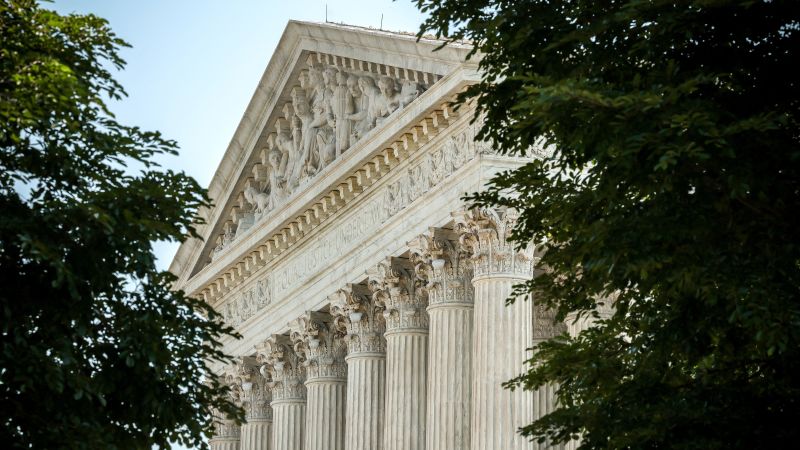
The Trump administration has escalated its efforts to reshape federal healthcare policies by filing an emergency appeal with the Supreme Court. The administration is asking the nation’s highest court to intervene and allow federal prison officials to withhold specific types of medical treatments from transgender inmates. This move represents a significant push to implement restrictive policies that have currently been stalled by lower court rulings, marking another high-profile entry into the court’s rapidly expanding emergency docket.
What happened
On Monday, the Department of Justice urged the Supreme Court to lift a block on a Bureau of Prisons (BOP) policy that restricts the scope of care for incarcerated individuals with gender dysphoria. Under the proposed guidelines—which were introduced early in President Trump’s second term—transgender inmates would have access to psychiatric and psychological services. However, the policy explicitly prohibits the use of hormone replacement therapy, gender-affirming surgeries, and “social accommodations” within federal facilities.
The Justice Department argued in its filing that the policy provides “appropriate, individualized treatment” while excluding procedures it deems medically unnecessary. This appeal follows a series of setbacks in lower courts. Earlier this year, a U.S. District Court and the D.C. Circuit Court of Appeals both intervened to prevent the policy from taking effect. The D.C. Circuit specifically noted that the administration’s shift appeared “arbitrary and capricious,” suggesting that the Bureau of Prisons had failed to provide a sufficient rationale for abandoning its previous protocols regarding gender-affirming care.
Context
This legal battle is part of a broader, systemic effort by the administration to roll back protections and services for transgender Americans. During the 2024 campaign, President Trump made the restriction of transgender rights a focal point of his platform. Since taking office, his administration has moved to reinstate bans on transgender individuals serving in the military and has mandated that U.S. passports reflect a person’s biological sex rather than their gender identity.
The appeal arrives at a 6-3 conservative-majority Supreme Court that has recently presided over several significant setbacks for the LGBTQ+ community. In recent years, the court has allowed states to implement bans on gender-affirming care for minors and has permitted the exclusion of transgender athletes from female sports teams. This latest case adds to a “deluge” of emergency litigation from the administration, which is also currently seeking the court’s help with aggressive immigration policies and voter identification efforts.
Why it matters
The Supreme Court’s decision, which is expected within a few weeks, could have far-reaching implications for both the rights of incarcerated individuals and the limits of executive authority over medical standards. If the court grants the administration’s request, it would essentially validate the government’s right to override established medical consensus regarding the treatment of gender dysphoria in a custodial setting.
Furthermore, the case highlights the administration’s reliance on the “shadow docket”—a process where the Supreme Court makes significant rulings on an emergency basis without the full briefing and oral argument cycle typical of standard cases. For the transgender community and legal advocates, the outcome will serve as a bellwether for how the court intends to handle the intersection of civil rights and federal administrative power in the coming years. By framing these medical interventions as unnecessary, the administration is challenging long-standing legal interpretations regarding the government’s obligation to provide essential healthcare to those in its custody.