Tensions between Washington and Tehran reached a critical boiling point this week as President Donald Trump issued a stern warning to the Iranian government. Following a suspected hijacking attempt on a FlyDubai aircraft, the President signaled that any proven link between the regime and the perpetrator would trigger a direct and severe military response. This escalation occurs against a backdrop of ongoing maritime instability in the Middle East and fluctuating global energy costs that continue to impact the international economy.
What happened
The most recent spike in hostilities follows an incident aboard a FlyDubai flight destined for Israel. Investigators are currently looking into a suspected hijacking attempt and a physical assault on a pilot. Early reports indicate that the co-pilot involved in the mid-flight crisis had a history of concerning behavior; he was reportedly grounded by Oman Air in 2024 after his employer discovered he had been accessing radicalized digital content. While the investigation is ongoing, President Trump has made it clear that if Tehran is found to have orchestrated or supported the attack, the U.S. military will strike Iranian targets “very hard.”
Simultaneously, the situation in the Strait of Hormuz remains volatile. A commercial tanker was recently struck by an unidentified projectile while navigating the narrow waterway. The United Kingdom Maritime Trade Operations (UKMTO) has categorized the likelihood of further hostile actions in the region as “highly likely.” This maritime unrest coincides with a renewed push by the United States and its global allies to enforce strict measures against Iran’s ballistic missile and nuclear development programs, including efforts to intercept prohibited technology transfers.
Context
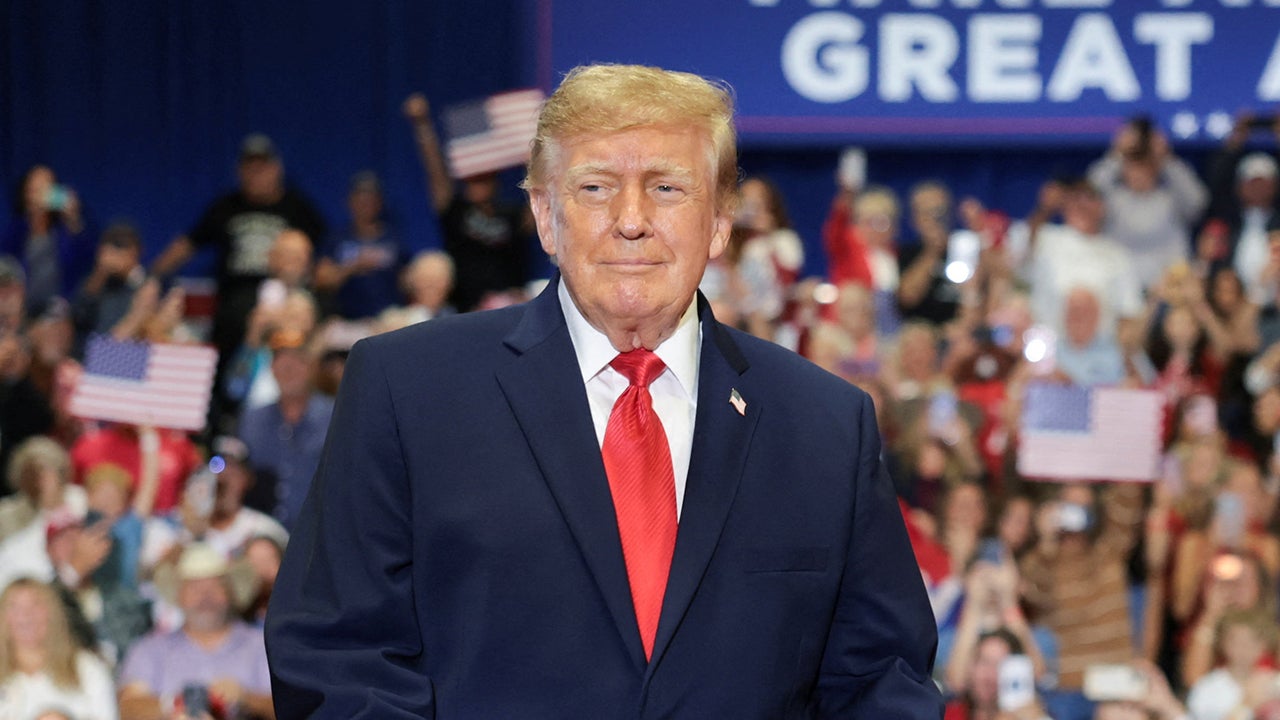
These developments are unfolding during a period of sustained conflict that has already claimed the lives of 18 U.S. service members over the last six months. During a recent campaign rally in Mobile, Alabama, President Trump reflected on the human and economic costs of the current standoff. He highlighted the dire state of the Iranian economy, which he claims is suffering from an astronomical inflation rate of approximately 310%.
The President also tied the resolution of the conflict to the domestic political calendar, suggesting that the current hostilities might reach a conclusion shortly after the upcoming midterm elections. He framed the situation as a binary outcome—stating the war would end “one way or the other”—and predicted a significant shift in the global energy market once the geopolitical friction eases. According to the President, the end of the conflict will lead to a dramatic decrease in oil prices, potentially dropping below the levels seen during his first term in office.
Why it matters
The potential for a direct military confrontation between the U.S. and Iran carries significant implications for regional stability and the global economy. The Strait of Hormuz is one of the world’s most vital transit points for oil, and continued attacks on shipping vessels threaten to keep energy prices elevated, fueling inflation worldwide. If the FlyDubai incident is officially linked to state-sponsored terrorism, it could reshape U.S. foreign policy and lead to a broader intervention in the region.
Furthermore, the domestic focus on this conflict suggests that international security remains a primary driver of political discourse. The combination of military casualties, economic sanctions, and the threat to international aviation creates a complex environment where the risk of miscalculation is high. As the international community monitors the investigation into the FlyDubai flight, the focus remains on whether diplomatic pressure or military force will ultimately define the future of U.S.-Iran relations.