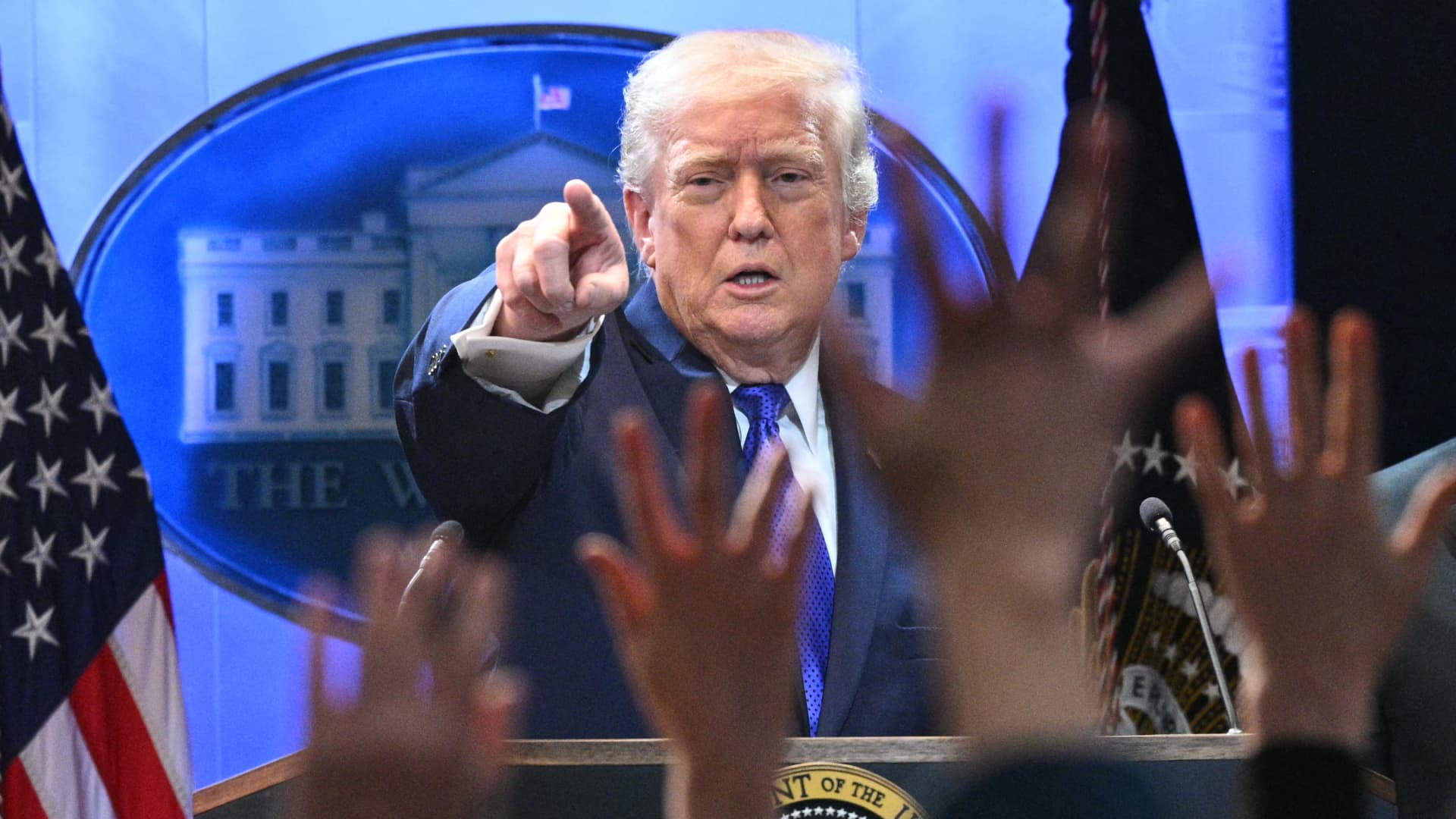
President Donald Trump has announced a formal ban on several major news organizations, barring them from White House grounds and official coverage events. The decision specifically targets CNN, Politico, and MS NOW, marking a significant escalation in the administration’s long-standing conflict with mainstream media institutions. This move has immediately sparked a debate regarding the constitutional protections of the press and the limits of executive authority over media access.
What happened
The announcement began with a series of statements on Truth Social, where President Trump argued that certain media organizations should be prohibited from reporting on the administration. He alleged that the targeted outlets frequently produce inaccurate content and fail to represent the government’s actions fairly. According to the President, the decision to bar these specific organizations—CNN, Politico, and MS NOW—stems from what he describes as a pattern of dishonest reporting.
Later, while speaking from the Oval Office, the President clarified that the ban was a reaction to the “cumulative” effect of the coverage provided by these three outlets. Furthermore, he indicated that this list of banned organizations might expand in the future, suggesting that other “fake news” entities could face similar restrictions. Notably, the President acknowledged that the ban might face legal hurdles. However, he maintained that the effort to restrict these outlets is necessary to highlight his grievances with the press, regardless of whether the move is upheld by the judicial system.
Context
This is not the first time the Trump administration has attempted to restrict press access. In 2018, the White House moved to suspend the press credentials of a prominent CNN correspondent, a move that was met with significant legal opposition. Additionally, the administration has been involved in litigation regarding the exclusion of Associated Press journalists from certain areas of the White House.
For years, President Trump has utilized public forums and social media to criticize journalists, often labeling them as “the enemy of the people” or encouraging his supporters to express hostility toward reporters during political events. While verbal critiques of the media are common in political discourse, the formal exclusion of specific news organizations from the White House represents a more aggressive strategy to control the flow of information and punish outlets that produce critical reporting.
Why it matters
The decision to ban news organizations from the White House has profound implications for the First Amendment of the U.S. Constitution, which guarantees the freedom of the press. Legal experts and media advocates argue that the government cannot pick and choose which journalists are allowed to cover public officials based on whether the administration likes the coverage.
In response to the announcement, both CNN and Politico released statements defending their right to report on the presidency. CNN characterized the ban as an illegal infringement on constitutional rights, asserting that the government cannot hinder reporting activities. Politico echoed these sentiments, vowing to continue its coverage of the White House while defending its legal right to access.
Beyond the legal battle, this move raises questions about governmental transparency. If an administration can successfully bar outlets that it perceives as hostile, it could set a precedent that limits the public’s access to diverse perspectives on executive actions. As the situation unfolds, the outcome of potential legal challenges will likely define the boundaries of press freedom for years to come.