A landmark trilateral agreement between the United States, Denmark, and Greenland is set to reshape the security landscape of the Arctic. Under the terms of a new deal expected to be finalized at the United Nations General Assembly in New York, the U.S. military will establish at least two new bases on Greenlandic soil. This move marks a significant shift in regional policy and follows a period of heightened diplomatic friction between Washington and its European allies.
What happened
The upcoming agreement grants the United States a expanded role in the security and economic oversight of Greenland. While the full text of the deal has yet to be released to the public, President Donald Trump has indicated that the arrangement provides the U.S. with “permanent control” over the island’s security requirements.
Crucially, the deal includes a veto mechanism that allows Washington to block “sensitive investments” or military activities by nations deemed to be adversaries. According to U.S. State Department officials, this clause is specifically designed to prevent non-NATO states from establishing a foothold on the island. This includes a prohibition on foreign military installations and any infrastructure projects that could potentially compromise American security interests.
Despite the significant concessions to Washington, Greenland’s Prime Minister, Jens-Frederik Nielsen, has defended the deal. He characterized the agreement as a “significant moment” that ultimately respects the territorial integrity of the kingdom and the self-determination of the Greenlandic people.
Context
The road to this agreement was marked by unprecedented diplomatic instability. Tensions spiked last year when the White House expressed a public interest in annexing Greenland, citing its strategic location and vast reserves of rare-earth minerals. The suggestion was met with firm rejection from both Copenhagen and Nuuk, leading to a breakdown in communication and threats of military posturing.
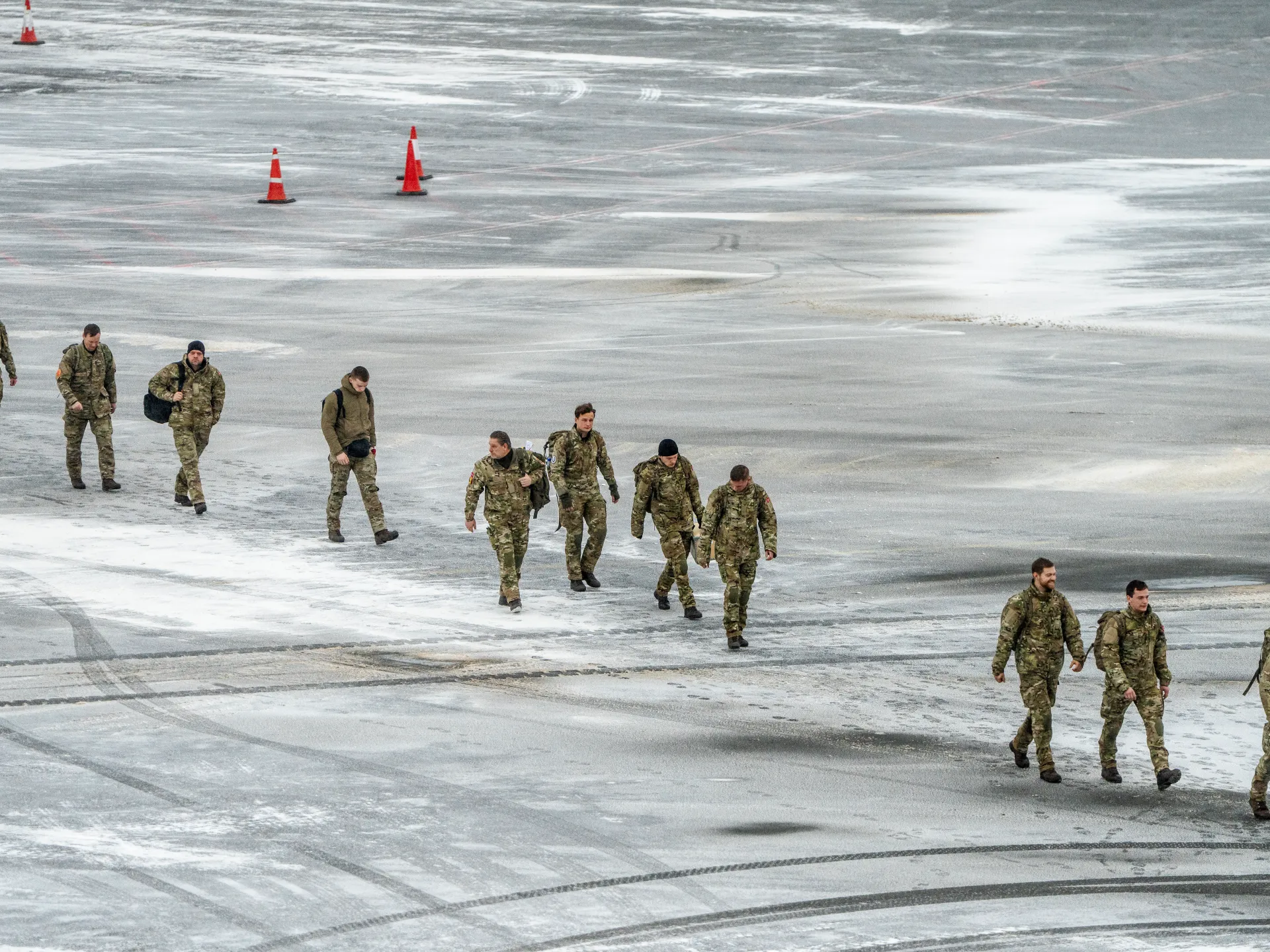
The situation escalated further in January when European NATO members took the unusual step of deploying additional forces to Greenland. This move was intended to demonstrate a unified European front and deter any unilateral American action. In response to the backlash and following discussions with NATO leadership, the U.S. administration eventually pivoted from threats of annexation and trade tariffs toward a negotiated diplomatic settlement. This shift led to the current compromise, which formalizes a U.S. presence without a formal change in sovereignty.
Why it matters
The establishment of new bases in Greenland is a clear indicator of the Arctic’s growing importance in global geopolitics. As polar ice melts and new shipping lanes open, the region has become a focal point for competition over natural resources and strategic positioning. By securing a veto over foreign investments, the U.S. is effectively locking out competitors like China and Russia from a territory that is rich in the minerals essential for modern technology and defense manufacturing.
For Greenland, the deal represents a delicate balancing act. While the island gains security guarantees and avoids the threat of a hostile takeover, it must now navigate its path toward autonomy under the watchful eye of the American military. The agreement ensures that while Greenland remains a part of the Danish Kingdom, its future development and security will be inextricably linked to U.S. strategic objectives in the North Atlantic.