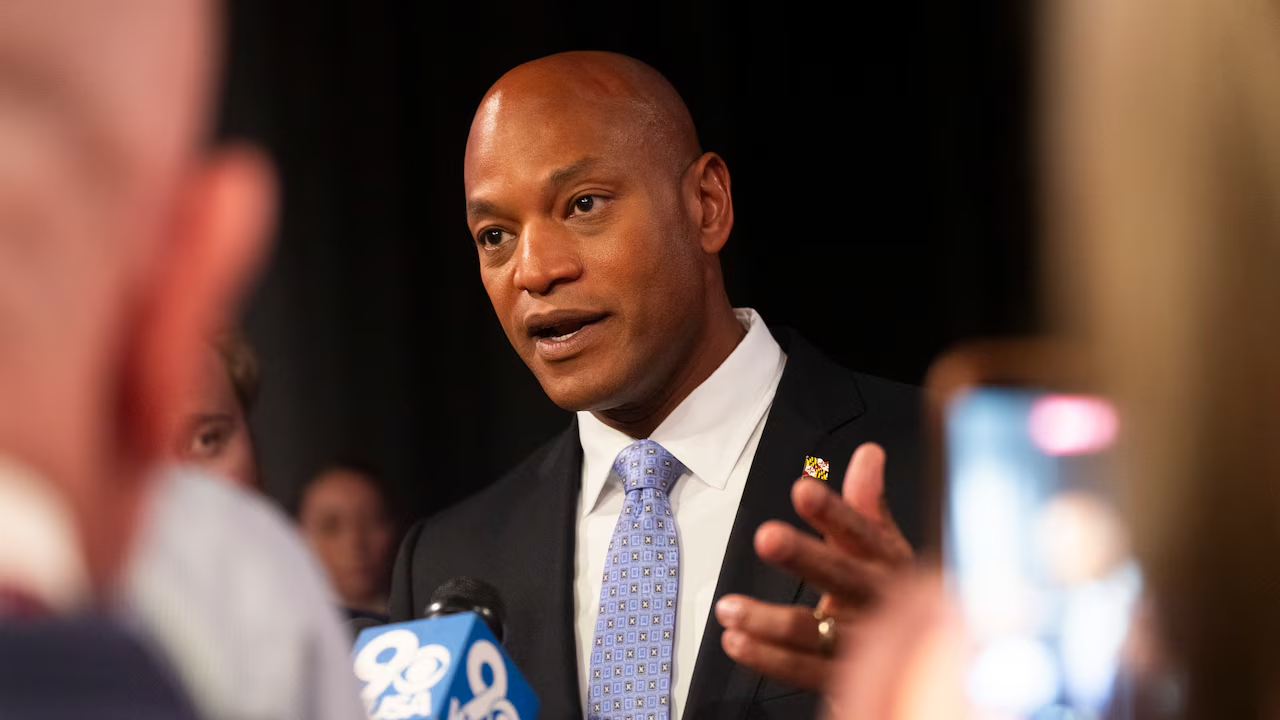
Maryland Governor Wes Moore is facing fresh scrutiny following the state’s primary gubernatorial debate, where his refusal to pledge a full second term to voters took center stage. While Moore currently holds a commanding lead in the polls, his performance during the televised event highlighted a growing tension between his duties in Annapolis and his rising profile within the national Democratic Party.
What happened
During the high-stakes exchange, a panelist directly asked Moore if he would commit to serving all four years of a second term if the voters reelected him this November. Rather than offering a definitive “yes,” Moore provided a carefully worded response, describing his time as governor as a great honor and stating that his candidacy was proof of his commitment to the citizens of Maryland.
When pressed for a simple affirmative or negative answer, Moore declined to change his wording, repeatedly stating that he had already answered the question by affirming his dedication to the state. This ambiguity provided immediate ammunition for his Republican challenger, Dan Cox. During the debate, Cox criticized the governor for failing to look Marylanders in the eye, suggesting that Moore is already focused on a potential 2028 run for the White House rather than the local issues facing his constituents.
Context
Speculation regarding Moore’s national ambitions has been circulating for months, fueled by his frequent out-of-state travel. An analysis of his schedule recently revealed that the governor spent roughly 20% of his time outside of Maryland in August, often visiting critical primary states like Nevada and South Carolina. Moore himself has recently indicated a desire to be part of the “national conversation” regarding the future of his party, which many political analysts interpret as a soft launch for a future presidential campaign.
Despite this controversy, Moore remains the heavy favorite in the race. Recent polling suggests he maintains a 2-to-1 lead over Cox, a candidate who has struggled to distance himself from his involvement in the events of January 6, 2021, and his endorsement by former President Donald Trump.
Why it matters
The debate was more than just an exchange about future plans; it served as a clash of two very different visions for Maryland’s future. Beyond the 2028 speculation, the candidates sparred over the state’s economic health. Cox attacked the governor’s record on the budget deficit and questioned his ability to deliver on major infrastructure projects, including the rebuilding of the Key Bridge.
Moore countered these attacks by pointing to record-breaking private investment in the state and accusing Cox of misrepresenting facts. He frequently tethered Cox to the “MAGA” movement, using the challenger’s past actions and association with Donald Trump as a primary point of criticism.
For Maryland voters, the debate highlights a significant dilemma: whether to support an incumbent who has successfully attracted business to the state but may leave office early for a national stage, or to back a challenger who promises local focus but brings a more polarizing brand of politics. As the election nears, Moore’s refusal to rule out a 2028 bid ensures that his every move will be viewed through the lens of national political aspirations.