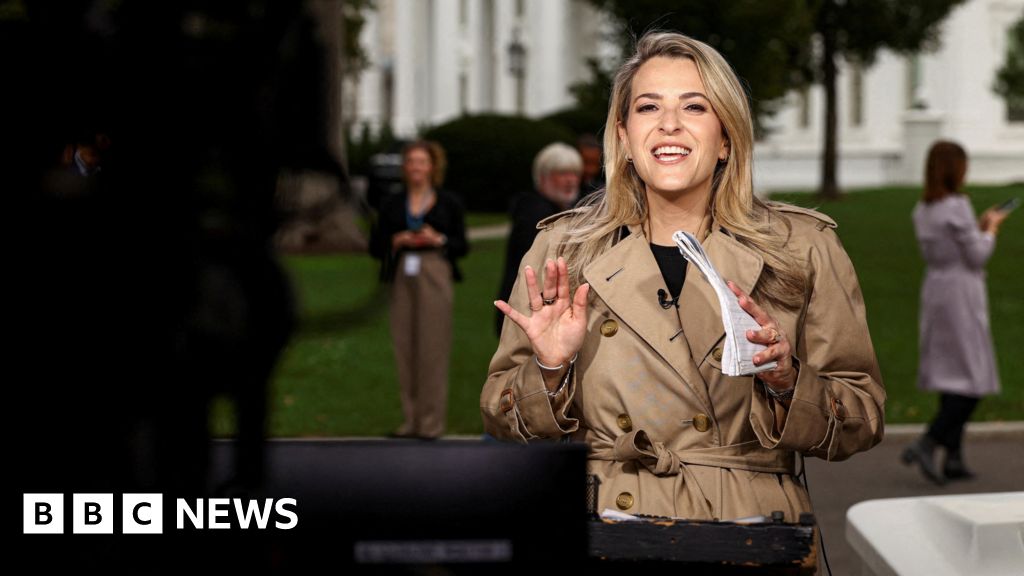
Tensions between the White House and the national press corps reached a critical breaking point this week as multiple news organizations accused the administration of disregarding a direct federal court order. Despite a judge’s mandate to restore access for journalists from CNN, Politico, and MS Now, the administration reportedly continued to implement restrictions and deny entry to reporters during high-profile events. This unfolding legal and constitutional standoff has disrupted media coverage of significant diplomatic proceedings and raised urgent questions regarding the executive branch’s adherence to judicial rulings.
What happened
The conflict escalated throughout Thursday, following an overnight ruling by a federal judge who determined that the administration’s ban on three specific outlets—CNN, Politico, and MS Now—was likely unconstitutional. The court ordered that the journalists’ access to the White House grounds be reinstated immediately. While the reporters were briefly permitted to return to the complex on Thursday morning after an emergency court hearing was requested, the situation deteriorated again by the evening.
As reporters prepared to cover the arrival of Chinese leader Xi Jinping for a scheduled state dinner, journalists from CNN and MS Now were once again blocked. CNN reported that despite properly submitting credentials, their team was informed shortly before the event that only a photojournalist and an audio technician would be allowed entry, effectively barring their reporters and producers. Similarly, MS Now White House reporter Laura Barron-Lopez was turned away by staff and instructed to seek clarification from the communications director.
The administration’s stance was later punctuated by a social media post from a White House communications account. The post asserted that media organizations do not have “free rein” over all areas of the White House or every press call, dismissing the complaints as a narrative pushed by “fake news” outlets.
Context
This legal battle is the culmination of a week-long dispute that began when the administration barred the three news organizations after accusing them of unfair reporting. The move prompted an immediate backlash across the media industry. In a rare display of professional unity, several major networks—including Fox News, NBC, CBS, and ABC—initially pulled their coverage in solidarity with their barred colleagues.
The disruption has had a tangible impact on the public’s view of executive operations. The chaotic standoff significantly limited television coverage as the administration welcomed the Chinese delegation, leaving many news desks struggling to provide comprehensive reporting on the state visit. Although some credentials were technically restored by 09:45 local time on Thursday morning following the court filing, the evening’s events suggest that the administration is employing selective gatekeeping to circumvent the spirit of the judge’s order.
Why it matters
The ongoing defiance of a federal court order represents a significant moment in the history of the relationship between the presidency and the press. At its core, this dispute is about more than just press passes; it is a fundamental test of the First Amendment and the rule of law. When an administration chooses to ignore or selectively apply a judicial mandate, it challenges the system of checks and balances that governs the United States.
Furthermore, the situation sets a precarious precedent for how future administrations might handle critical reporting. By labeling specific outlets as “fake” and restricting their physical access to public events, the White House is effectively attempting to curate the press corps based on favorable coverage. The solidarity shown by competing networks underscores the industry-wide belief that a threat to one outlet’s access is a threat to the freedom of the entire press. As this legal battle continues, the focus remains on whether the administration will ultimately comply with the court’s requirements or continue to face judicial scrutiny for its treatment of the media.