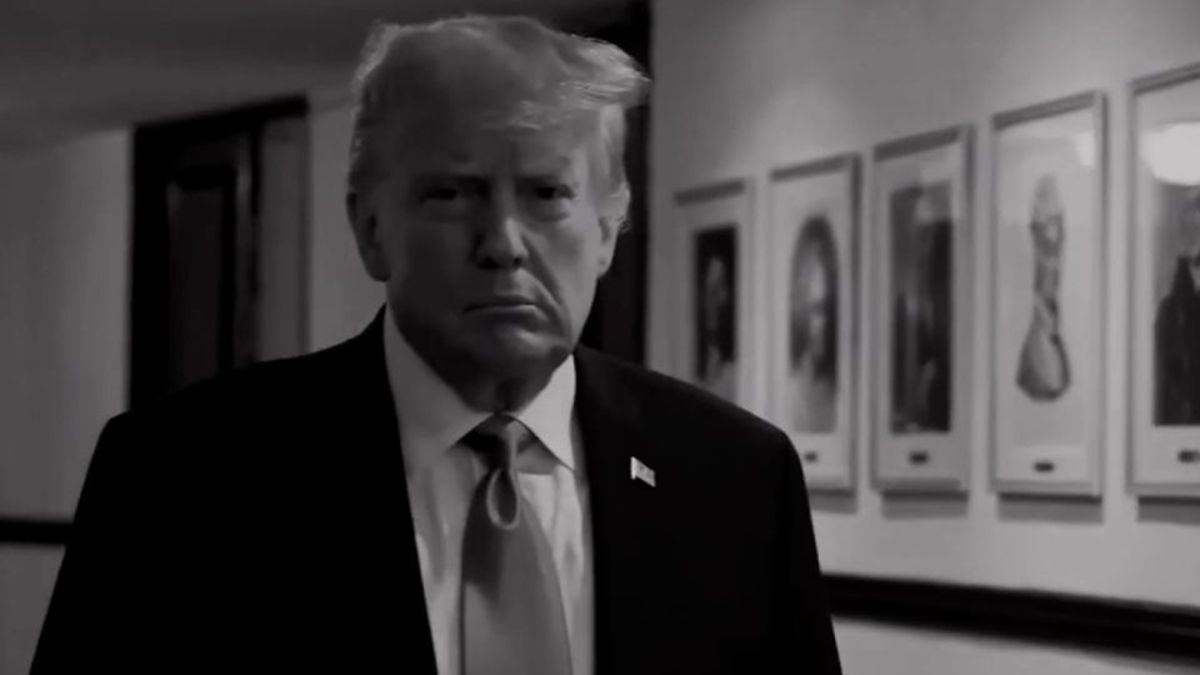
A new television advertisement produced by the White House and funded by taxpayer dollars has ignited a controversy regarding the use of public funds for political messaging. Featuring President Donald Trump and rhetoric centered on a “final battle,” the ad’s release just weeks before the upcoming elections has drawn sharp criticism from government watchdog groups and political analysts alike. While the administration maintains that these spots are public service announcements intended to foster national pride, critics argue they represent a blatant use of government resources for partisan gain.
What happened
The latest advertisement, which aired during high-profile NFL broadcasts on Sunday, features footage of President Trump walking through a hallway accompanied by a dramatic voiceover. In the audio, the President characterizes the current political climate as a “final battle,” vowing to remove “communists, Marxists, and fascists” from the American landscape. The script further targets the “sick political class” and the “fake news media,” promising to liberate the country from these perceived adversaries.
This specific ad bears a striking resemblance to content previously shared on the President’s personal social media platforms during his 2024 campaign. The primary difference is the omission of campaign-specific logos and the inclusion of a “Paid for by the US Government” disclaimer at the end of the broadcast. Media trackers have noted that this is the third such government-funded commercial to appear in recent days. Previous iterations included montages of the President at Mount Rushmore and clips promoting his administration’s efforts to revitalize American manufacturing while denouncing socialism.
Context
The White House has defended the media buy, categorizing the commercials as educational tools meant to promote patriotism. A spokesperson for the administration stated that the American public should take pride in their country and described the content as “unapologetically patriotic.” To justify the expenditure, the administration has drawn parallels to previous presidents who used taxpayer funds to air public service announcements regarding healthcare initiatives like Medicare and the Affordable Care Act, or to encourage public health measures such as vaccinations.
However, the timing and tone of these ads have led to increased scrutiny. Unlike traditional public service announcements that typically focus on specific government programs or public safety information, these spots center almost exclusively on the President’s image and his personal rhetorical style. According to media monitoring services, the ads have been strategically placed during major sporting events to ensure maximum visibility among a broad national audience.
Why it matters
The controversy centers on the legal and ethical boundaries of government spending. Watchdog organizations, such as Common Cause, have raised alarms that these broadcasts may violate federal regulations prohibiting the use of taxpayer money for “propaganda.” The concern is that the line between official government business and political campaigning is being erased, setting a precedent that could allow future administrations to use the federal treasury as a secondary campaign fund.
Furthermore, the proximity to the November elections adds a layer of urgency to the debate. Legal experts suggest that using public funds to promote a candidate’s image so close to a vote invites questions about the integrity of the electoral process. By framing political grievances as a “final battle” through government-funded channels, the administration is testing the limits of executive communication. As the debate continues, it highlights a growing tension over how much control a sitting president should have over state-funded media and the definition of what constitutes a legitimate public service message.