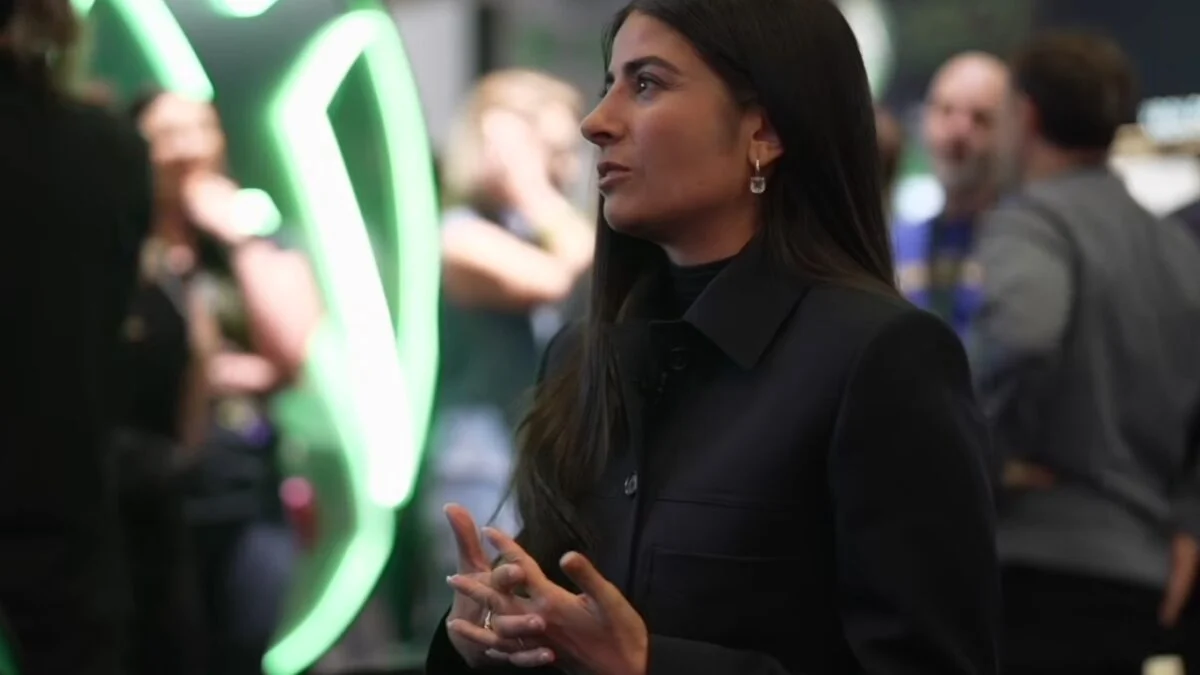
Recent months have seen significant changes at Microsoft’s gaming division, leading many industry observers to wonder if the tech giant is preparing to divest from the Xbox brand. Between studio closures, mass layoffs, and a shifting strategy that increasingly prioritizes multi-platform releases, the optics have suggested a brand in a state of radical transition. However, Xbox executive Asha Sharma recently addressed these concerns directly, asserting that the company remains committed to its gaming arm for the long haul.
What happened
In a recent profile with The New York Times, Sharma responded to mounting speculation about the future of the division. She stated unequivocally that “Xbox is not for sale,” dismissing rumors that the recent streamlining of the business is a precursor to a spin-off or an outright sale to another entity.
Sharma emphasized that Microsoft is willing to explore various partnerships and new operating models to ensure the brand’s success, but she maintained that the gaming division remains a core part of the parent company. Despite her firm stance, the interview noted a degree of “bob and weave” in the responses, suggesting that while a total sale might not be on the table, the traditional way Xbox operates is being fundamentally dismantled and rebuilt.
Context
The backdrop for this denial is a period of unprecedented volatility for the Xbox ecosystem. Following the massive $70 billion acquisition of Activision Blizzard in 2023, the division has faced intense pressure to perform. While Microsoft’s cloud computing and AI sectors continue to see explosive growth and massive profit margins, the gaming segment remains an expensive, high-risk venture.
Industry analysts have pointed to struggling hardware sales and a plateau in Game Pass growth as reasons why Microsoft might consider a divestiture. Earlier this year, reports from The Information indicated that internal discussions had taken place regarding the possibility of turning Xbox into a standalone subsidiary or a joint venture. The logic behind such a move would be to remove the volatile, hit-driven nature of the gaming business from Microsoft’s primary financial books, thereby protecting the company’s overall stock valuation.
Why it matters
While the recent shuttering of smaller studios and the integration of teams under Bethesda and Activision might look like a “cleaning of the house” before a sale, Microsoft’s actions also point toward a long-term pivot rather than an exit. The company is currently engaged in major strategy shifts that will take years to manifest. For instance, the complete overhaul of “Halo Studios” and the long-term development cycles for franchises like Fallout and Diablo—the latter of which has a new entry targeted for 2029—suggest a roadmap that extends well into the next decade.
If Microsoft were looking for a quick exit or a short-term spin-off, these deep-rooted, multi-year investments would be counterintuitive. Instead, the company appears to be moving toward a publishing-heavy model that relies less on proprietary console hardware and more on the strength of its massive IP library. Sharma’s comments reinforce the idea that Microsoft is playing a long game, even if the road to reaching their goals requires painful structural adjustments in the present. For now, the message from leadership is clear: Xbox is staying within the Microsoft fold, even if it looks unrecognizable compared to its former self.