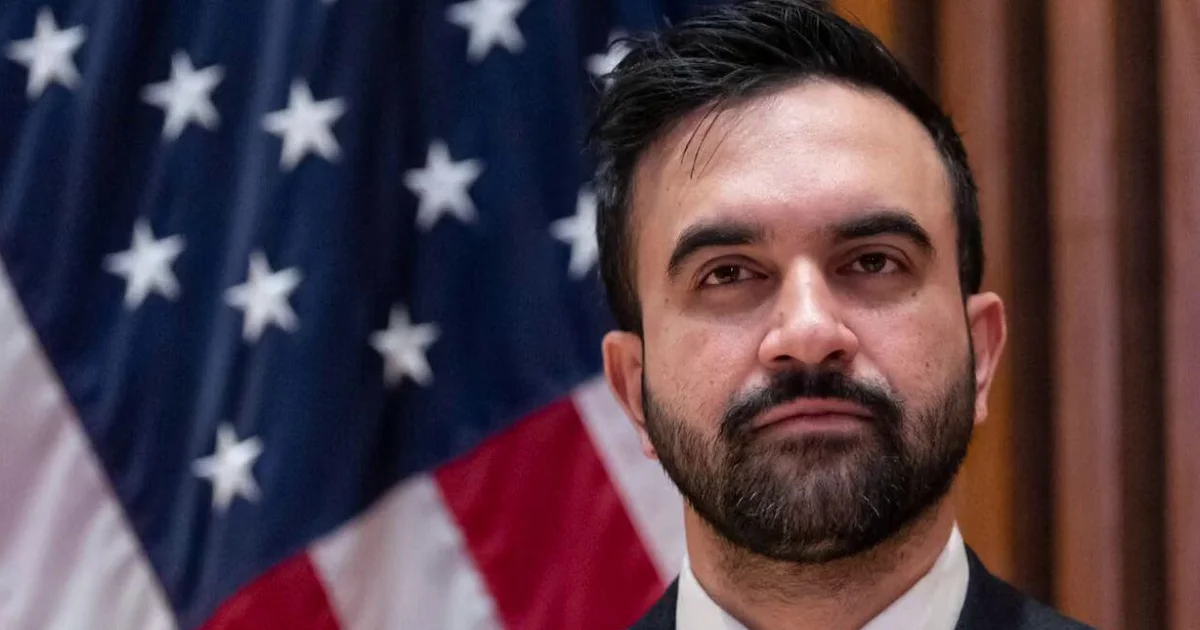
A commemorative statement issued by New York City Mayor Zohran Mamdani marking the third anniversary of the October 7 attacks has ignited a firestorm of criticism within the Democratic Party. While the Mayor acknowledged the atrocities committed by Hamas, his simultaneous and sharp condemnation of Israel’s military actions in Gaza drew swift rebukes from moderate colleagues and prominent Jewish organizations.
What happened
On Wednesday, Mayor Mamdani released a public message reflecting on the three years since the 2023 Hamas-led assault on Israel. The statement began by acknowledging the “profoundly painful” nature of the date for many residents of New York City. He explicitly labeled the actions of Hamas as “horrific war crimes,” referencing the 1,200 people killed and the more than 250 individuals taken captive during the initial incursion.
However, the tone of the message shifted significantly as the Mayor addressed the ongoing conflict in the Gaza Strip. Mamdani characterized Israel’s military response as a “devastating, ongoing genocide,” citing casualty figures from the Hamas-controlled Gaza Health Ministry that now exceed 74,000 deaths. He further asserted that American tax dollars are being used to subsidize “war crimes” and called for an end to what he described as a system of occupation and apartheid.
The response from fellow Democrats was immediate and largely negative. Representative Debbie Wasserman Schultz of Florida and Representative Josh Gottheimer of New Jersey were among the most vocal, accusing the Mayor of blaming victims and disrespecting the memory of those murdered by Hamas. Representative Richie Torres of the Bronx also weighed in, suggesting that the Mayor’s rhetoric was “hysterical” and that the anniversary should have been reserved solely for mourning Israeli victims without political caveats.
Context
Mamdani, who has a long history of opposing U.S. military aid to Israel, has consistently argued that his critiques of the Israeli government are distinct from antisemitism. Since the conflict began, his stance has made him a polarizing figure within New York’s political landscape. This latest controversy highlights a deep-seated ideological rift within the Democratic Party regarding Middle East policy—a divide that has only widened as the war continues into its third year.
The friction is also personal for some lawmakers. Representative Daniel Goldman, who recently saw a Mamdani-backed candidate win a primary in his district, described the Mayor’s statement as “reprehensible.” He argued that Mamdani’s inclusion of disputed allegations served to alienate the very people he claimed to be grieving with. Meanwhile, figures like Brad Lander, the Democratic nominee for a deep-blue district, attempted to find a middle ground, suggesting that it is possible to mourn the victims of October 7 while still recognizing the lopsided power dynamics of the conflict.
Why it matters
This incident underscores the intensifying struggle for the “soul” of the Democratic Party as it relates to foreign policy. The visceral reactions from both sides suggest that the traditional consensus on unconditional support for Israel is increasingly fragile. While moderate Democrats view Mamdani’s comments as an inflammatory distraction during a period of mourning, the progressive wing continues to push for a fundamental reassessment of the U.S.-Israel relationship.
Furthermore, the involvement of organizations like the Anti-Defamation League (ADL) indicates that the fallout extends beyond legislative halls. ADL CEO Jonathan Greenblatt criticized the Mayor for failing to mention “Jews” specifically in his statement, pointing to a broader concern among Jewish leaders regarding how the city’s leadership addresses targeted violence. As New York City continues to navigate its role as a global hub for both Jewish and Palestinian diaspora communities, the rhetoric used by its top officials will remain under intense scrutiny.